Education is changing rapidly as schools adapt to new technologies, modern teaching methods, and evolving student needs. While academic achievement remains important, there is growing recognition that success in life depends on more than test scores and technical knowledge. Skills such as communication, empathy, self-awareness, and emotional control are becoming equally valuable. This is why emotional intelligence has become an important focus in modern education.
Emotional intelligence helps students understand and manage emotions, build positive relationships, and respond effectively to challenges. In today’s learning environments, these skills support academic growth, mental well-being, and future career success.
Educational leaders such as Chris Bressi often emphasize the importance of student-centered learning and supportive educational environments that help students grow both academically and personally.
What Is Emotional Intelligence?
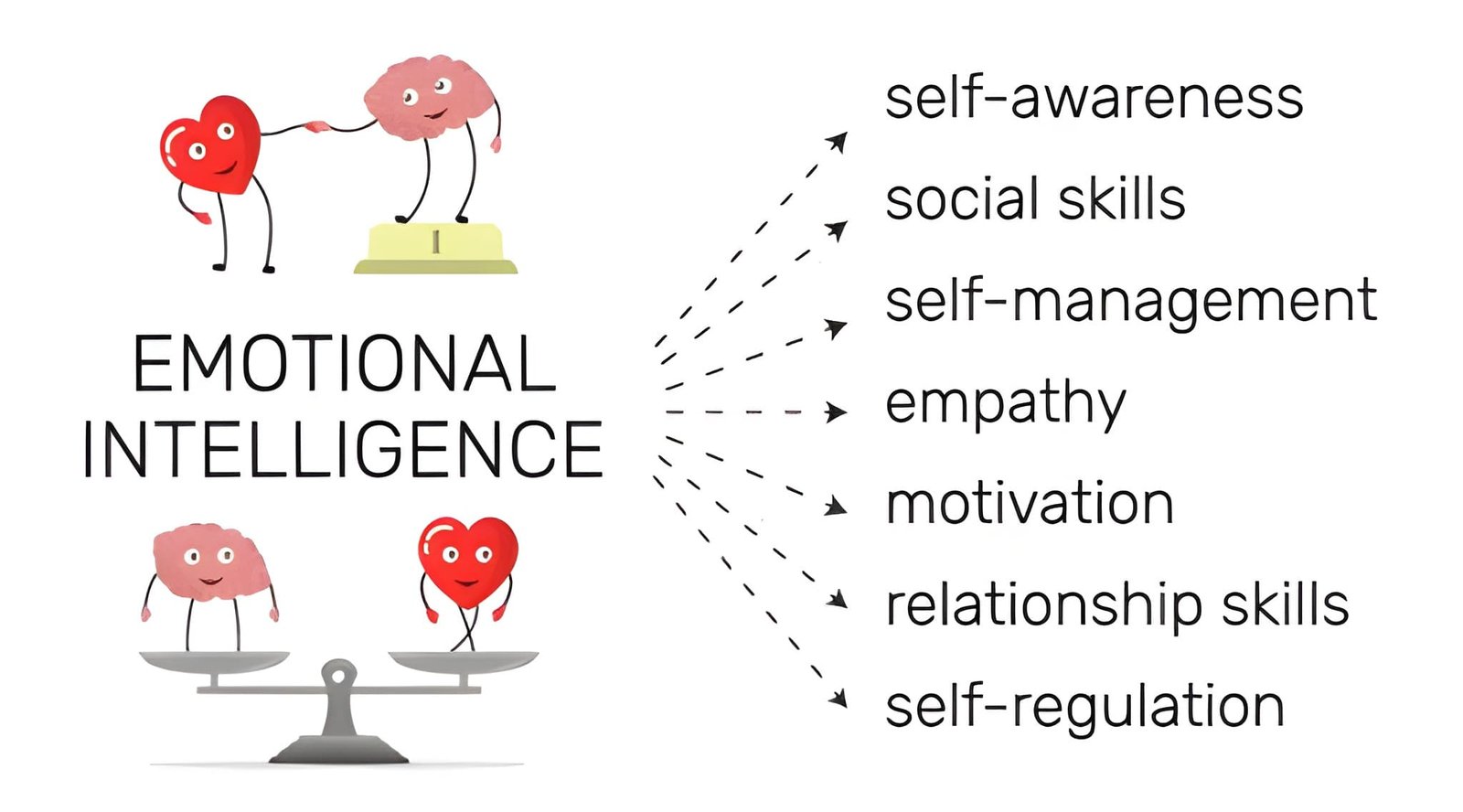
Emotional intelligence refers to the ability to recognize, understand, manage, and express emotions effectively. It also includes the ability to understand the feelings of others and build healthy relationships.
Emotional intelligence is commonly connected to five important areas:
- Self-awareness
- Self-regulation
- Motivation
- Empathy
- Social skills
Students with strong emotional intelligence are often better prepared to handle stress, communicate clearly, and solve conflicts positively.
Emotional Intelligence Supports Academic Success
Academic achievement is influenced by emotional well-being. Students who can manage emotions effectively are often more focused, motivated, and engaged in learning.
Stress, anxiety, frustration, or low confidence can affect concentration and classroom performance. Emotional intelligence helps students recognize these feelings and respond in healthier ways.
When students feel emotionally supported, they are more likely to participate in class, complete assignments, and build positive learning habits.
Helps Students Manage Stress and Pressure
Modern students face many pressures related to academics, social media, personal expectations, and future career concerns.
Emotional intelligence teaches students how to cope with stress, manage frustration, and stay calm during difficult situations. These skills are especially important during exams, presentations, and challenging social experiences.
Schools that support emotional development can create healthier learning environments where students feel more confident and secure.
Encourages Better Communication
Strong communication skills are essential in both education and professional life. Emotional intelligence helps students express thoughts clearly, listen actively, and communicate respectfully.
Students who understand emotions are often better at handling disagreements and working through conflicts without creating unnecessary tension.
Educational environments that encourage respectful communication help students build stronger relationships with teachers and peers.
Builds Empathy and Respect
Empathy is an important part of emotional intelligence. It allows students to understand and appreciate the experiences and feelings of others.
In diverse classrooms, empathy helps students build inclusive and respectful relationships. It reduces bullying, improves teamwork, and creates stronger classroom communities.
Students who learn empathy are often more supportive, understanding, and cooperative in group settings.
Educational thinkers like Chris Bressi frequently support collaborative and student-focused approaches that encourage positive social interaction.
Supports Teamwork and Collaboration
Modern education increasingly focuses on collaborative learning. Group projects, discussions, and team-based activities require students to work together effectively.
Emotional intelligence helps students manage group dynamics, resolve disagreements, and contribute positively to teamwork.
Students who can communicate respectfully and understand different perspectives are more successful in collaborative environments.
These teamwork skills are also highly valuable in future workplaces.
Improves Classroom Behavior
Students with stronger emotional intelligence are often better at managing behavior and making responsible decisions.
Self-regulation helps learners stay focused, follow classroom expectations, and respond appropriately to challenges.
Teachers may spend less time managing disruptions when students have strong emotional and social skills. This creates more productive learning environments for everyone.
Encourages Self-Confidence
Self-awareness and emotional understanding help students build confidence in their abilities.
Students who understand their strengths and weaknesses are more likely to set realistic goals and respond positively to feedback.
Confidence encourages students to participate in discussions, ask questions, and take on new challenges without excessive fear of failure.
Schools that support emotional growth help students develop healthier attitudes toward learning and personal development.
Prepares Students for Future Careers
Employers today value emotional intelligence alongside technical skills. Communication, teamwork, adaptability, and leadership are important in almost every profession.
Students who develop emotional intelligence are often better prepared to work with others, manage workplace challenges, and adapt to changing environments.
Leadership roles especially require empathy, decision-making skills, and the ability to build positive relationships.
Educational leaders such as Chris Bressi often highlight the importance of preparing students with both academic knowledge and real-world interpersonal skills.
Strengthens Mental Health and Well-Being
Mental health is becoming a major focus in modern education. Emotional intelligence supports emotional well-being by helping students recognize feelings and seek support when needed.
Students who understand emotional health are more likely to develop positive coping strategies and maintain healthier relationships.
Schools that prioritize emotional intelligence often create safer and more supportive learning environments where students feel valued and understood.
The Role of Teachers in Emotional Development
Teachers play a major role in helping students develop emotional intelligence. Through classroom discussions, positive interactions, and supportive teaching methods, educators can model healthy emotional behavior.
Social-emotional learning activities, group discussions, reflection exercises, and collaborative projects all help students strengthen emotional skills.
Teacher training is also important so educators can recognize emotional challenges and support student well-being effectively.
Emotional Intelligence and Technology
As technology becomes more common in education, emotional intelligence remains essential. Digital communication can sometimes reduce face-to-face interaction and create misunderstandings.
Students need emotional awareness to communicate respectfully online, handle digital conflicts responsibly, and maintain healthy relationships in both online and offline environments.
Balancing digital learning with emotional and social development is important for creating well-rounded students.
Creating Emotionally Supportive Schools
Schools can support emotional intelligence by creating positive learning cultures that value respect, inclusion, and student well-being.
This may include:
- Social-emotional learning programs
- Counseling support
- Peer mentoring initiatives
- Collaborative classroom activities
- Open communication between teachers and students
When emotional growth becomes part of school culture, students often feel safer, more engaged, and more motivated.
Conclusion
Emotional intelligence is becoming an essential part of modern education. While academic skills remain important, students also need emotional awareness, empathy, communication abilities, and resilience to succeed in today’s world.
By supporting emotional development, schools help students improve academic performance, strengthen relationships, and prepare for future careers and personal challenges.
Educational perspectives like those shared by Chris Bressi reflect the growing understanding that successful education involves developing the whole student, not just academic achievement.
As education continues to evolve, emotional intelligence will remain a powerful tool for helping students grow into confident, capable, and compassionate individuals.

Leave a Reply