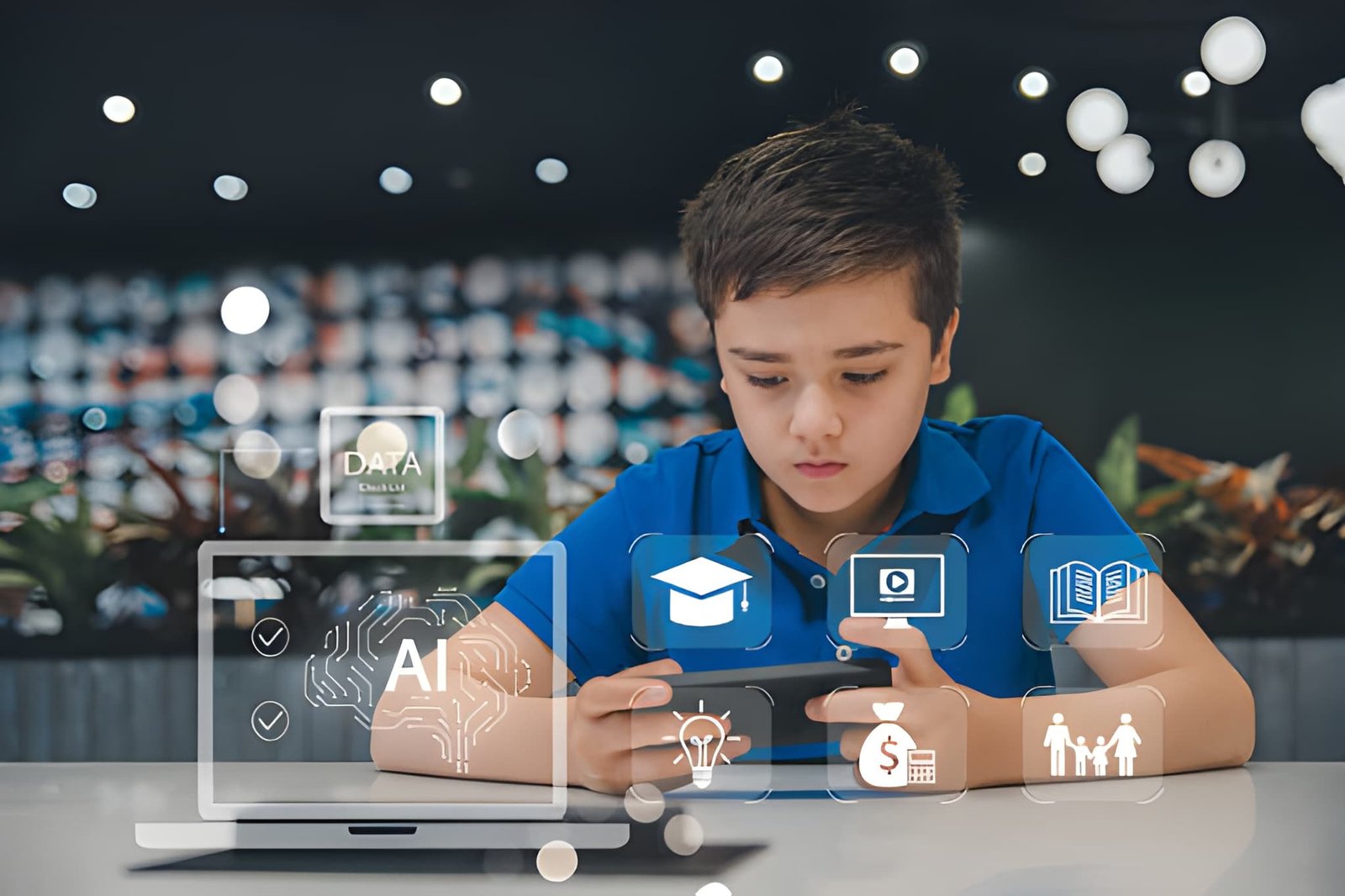
Technology has become a central part of everyday life. Students use digital devices to communicate, research, create projects, and complete assignments. At the same time, Artificial Intelligence (AI) is changing how people work, learn, and solve problems. Because of these changes, schools must prepare students with the skills needed to use both digital technology and AI responsibly.
Educational leaders such as Chris Bressi recognize that modern education should extend beyond traditional subjects. Students need digital literacy and AI literacy to become informed learners, responsible digital citizens, and future-ready professionals. These skills help learners adapt to technological change while developing critical thinking, creativity, and ethical decision-making.
As education continues to evolve, digital and AI literacy have become essential components of student success.
Understanding Digital and AI Literacy
Digital literacy is the ability to use computers, mobile devices, online platforms, and digital resources effectively and responsibly. It includes researching information, communicating online, protecting personal data, and evaluating the credibility of digital content.
AI literacy goes one step further. It helps students understand how Artificial Intelligence works, where AI is used, what its limitations are, and how to use AI tools ethically and responsibly.
Educational perspectives supported by Christopher Bressi encourage schools to teach students not only how to use technology but also how to think critically about the technologies shaping the modern world.
Preparing Students for the Future
The future workforce will rely heavily on technology and Artificial Intelligence.
Many careers already require employees to use digital platforms, automation, AI-powered software, and data analysis tools. Future jobs will likely demand even greater technological knowledge.
By introducing digital and AI literacy early, schools help students build confidence using modern technology.
Students who understand digital systems are often better prepared for higher education and future careers.
This preparation also helps students become adaptable lifelong learners.
Strengthening Critical Thinking
The internet provides students with unlimited information. However, not everything online is accurate or trustworthy.
Digital literacy teaches students how to evaluate websites, verify sources, recognize misinformation, and distinguish facts from opinions.
AI literacy strengthens these skills further by helping students understand how AI-generated information should be reviewed and verified before being accepted as accurate.
Chris Bressi supports educational approaches that encourage independent thinking and informed decision-making rather than simple memorization.
Promoting Responsible Technology Use
Technology offers incredible opportunities, but it also creates challenges.
Students need guidance on cybersecurity, online privacy, digital ethics, responsible communication, and safe internet practices.
AI tools also require responsible use. Students should understand that AI can assist learning, but it should never replace original thinking, creativity, or personal effort.
Teaching responsible technology habits helps students become ethical digital citizens.
These lessons benefit students both inside and outside the classroom.
Supporting Personalized Learning
One of the greatest advantages of digital and AI technologies is personalized education.
AI-powered learning platforms can adjust lessons according to each student’s progress and learning style.
Students who need additional support receive extra practice, while advanced learners can continue progressing at their own pace.
This flexibility creates more engaging learning experiences.
Educational leaders such as Christopher Bressi often highlight the value of student-centered learning environments where every learner receives appropriate support.
Helping Teachers Improve Learning
Digital and AI literacy do not only benefit students.
Teachers also use AI-powered tools to simplify lesson planning, analyze student performance, automate grading, and organize classroom activities.
These technologies reduce administrative work and allow teachers to spend more time supporting students.
When educators understand digital tools, they can create more engaging and effective classrooms.
Professional development remains essential as educational technology continues evolving.
Encouraging Creativity and Innovation
Digital tools encourage students to create rather than simply consume information.
Students can design presentations, edit videos, create digital artwork, build websites, produce podcasts, and develop multimedia projects.
AI tools can also support brainstorming, research, language learning, and content organization.
However, creativity should always remain student-driven.
Technology works best when it enhances imagination instead of replacing original ideas.
Improving Collaboration
Modern education increasingly emphasizes collaboration.
Students now work together through cloud-based documents, virtual classrooms, discussion platforms, and collaborative digital projects.
Digital literacy helps students communicate professionally and respectfully in online environments.
These experiences prepare learners for workplaces where virtual teamwork has become common.
Strong communication skills remain valuable regardless of future career choices.
Supporting Inclusive Education
Technology helps schools provide more inclusive learning opportunities.
Students with different learning needs can benefit from accessibility features such as speech-to-text software, translation tools, screen readers, and adaptive learning platforms.
AI-powered educational tools can personalize support according to individual learning needs.
These resources help create classrooms where more students can participate successfully.
Inclusive education strengthens confidence, engagement, and academic growth.
Understanding the Ethical Side of AI
As AI becomes more common, students should understand both its benefits and limitations.
Schools should teach learners how AI systems make recommendations, how bias can occur, and why human judgment remains important.
Students also need to understand copyright, privacy, intellectual property, and responsible AI use.
Ethical discussions encourage students to become thoughtful technology users instead of passive consumers.
This balanced understanding prepares them for responsible participation in a digital society.
Challenges Schools Must Address
Although digital and AI literacy offer many advantages, schools may face several challenges.
Technology access remains unequal for some students.
Teachers need ongoing training to stay current with rapidly changing tools.
Schools must also balance screen time with face-to-face communication, hands-on learning, and physical activities.
Successful technology integration requires thoughtful planning rather than simply adding more devices to classrooms.
The Future of Education
Technology will continue transforming education for years to come.
Artificial Intelligence, adaptive learning systems, virtual classrooms, and intelligent educational platforms will likely become more common.
However, technology should always support strong teaching rather than replace it.
Human relationships, emotional support, creativity, and critical thinking will remain at the center of effective education.
Educational perspectives shared by Chris Bressi continue emphasizing that innovation should strengthen learning while maintaining meaningful student and teacher connections.
Digital and AI literacy are becoming essential skills for students in modern schools. They prepare learners for higher education, future careers, responsible technology use, and lifelong learning.
By teaching students how to use digital tools responsibly and understand Artificial Intelligence thoughtfully, schools create stronger educational experiences.
As technology continues evolving, educational leaders such as Chris Bressi and Christopher Bressi continue highlighting the importance of balancing innovation with student-centered learning.
Schools that invest in digital and AI literacy today are helping students become confident, capable, and responsible leaders for tomorrow.

Leave a Reply