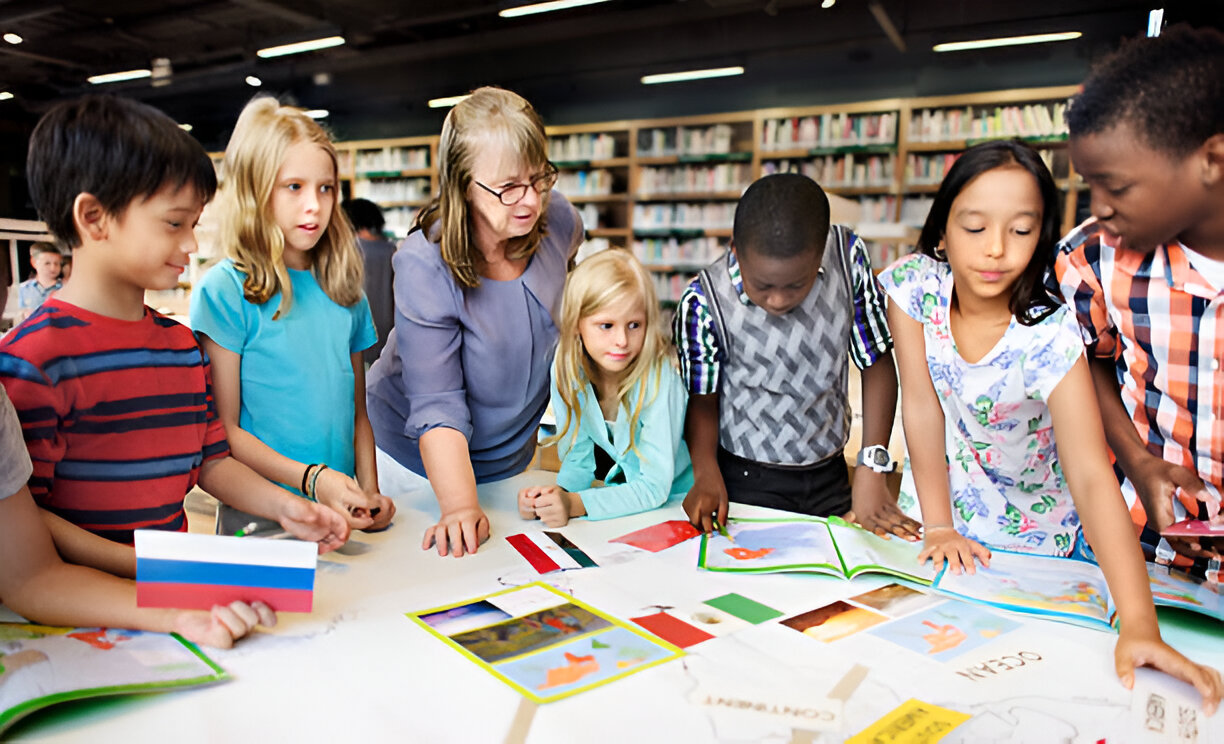
Education works best when students are placed at the center of the learning experience. Rather than asking students to fit into rigid systems, student-centered learning adapts to their needs, strengths, and goals. Chris Bressi has long advocated for this approach, believing that meaningful education begins with understanding learners as individuals and empowering them to take ownership of their growth.
Student-centered learning is not a trend for Chris Bressi. It is a philosophy grounded in equity, engagement, and real-world relevance. His approach focuses on creating environments where students feel supported, challenged, and motivated to succeed both inside and outside the classroom.
What Student-Centered Learning Really Means
Chris Bressi defines student-centered learning as an approach that prioritizes how students learn, not just what they learn. It shifts the focus from passive instruction to active participation. Students are encouraged to ask questions, explore ideas, and apply knowledge in ways that feel meaningful to them.
This model recognizes that students come with different learning styles, backgrounds, and experiences. Some may thrive through discussion, while others excel with hands-on projects or independent exploration. Student-centered learning provides flexibility so every learner has a path to success.
Building Strong Relationships with Students
At the heart of Chris Bressi’s approach is the belief that relationships drive learning. When students feel known and valued, they are more likely to engage and persist through challenges.
Chris encourages educators to listen closely to student voices. This includes understanding their interests, acknowledging their struggles, and celebrating their progress. Simple actions such as regular check-ins and meaningful feedback can make a powerful difference.
Strong relationships create trust. That trust allows students to take risks, ask for help, and grow with confidence.
Personalized Learning for Real Impact
Personalization is a cornerstone of student-centered learning. Chris Bressi emphasizes that learning should adapt to students, not the other way around.
Through personalized instruction, students can move at a pace that supports mastery rather than compliance. Teachers use data, observation, and dialogue to identify where students need support or enrichment. This approach helps close learning gaps while maintaining high expectations.
Personalized learning also gives students choice. When students have a say in how they demonstrate learning, they become more invested in the process and outcomes.
Empowering Students Through Ownership
Chris Bressi believes that students learn best when they feel ownership over their education. Student-centered classrooms encourage learners to set goals, track progress, and reflect on their growth.
This process helps students develop critical life skills such as self-awareness, responsibility, and resilience. Instead of learning only to earn grades, students learn to understand their strengths and areas for improvement.
By involving students in decision-making, educators help them see learning as something they do for themselves, not something done to them.
Using Technology to Support Learning, Not Replace It
Technology plays an important role in Chris Bressi’s vision, but it is never the focus. Digital tools are used to support learning, increase access, and provide flexibility.
Online platforms allow students to revisit lessons, explore topics more deeply, and collaborate beyond the classroom. Adaptive tools help teachers provide targeted support without singling students out.
Chris emphasizes that technology should enhance human connection, not replace it. When used thoughtfully, it creates opportunities for personalized and inclusive learning experiences.
Creating Engaging and Relevant Learning Experiences
Student-centered learning connects education to real life. Chris Bressi encourages educators to design lessons that reflect real-world challenges and opportunities.
Project-based learning, collaborative activities, and interdisciplinary work help students see the value of what they are learning. These experiences build critical thinking, communication, and problem-solving skills that students will use beyond school.
Relevance increases motivation. When students understand why learning matters, they become more engaged and confident in their abilities.
Supporting the Whole Child
Chris Bressi’s approach extends beyond academics. Student-centered learning also prioritizes social and emotional well-being.
Students face pressures both inside and outside the classroom. Supporting emotional health helps them manage stress, build positive relationships, and stay focused on learning. Educators play a key role by creating safe, respectful environments where students feel supported.
By addressing the whole child, schools help students develop skills that support long-term success.
A Lasting Impact on Education
Student-centered learning, as championed by Chris Bressi, is about more than instructional strategies. It is about respect, trust, and belief in every student’s potential.
When education systems center on students, learning becomes more equitable, engaging, and effective. Chris Bressi’s approach reminds educators that meaningful change starts with listening, adapting, and placing students at the heart of every decision.
This vision offers a powerful path forward for schools seeking to prepare learners not just for tests, but for life.

Leave a Reply