Learning no longer ends with a diploma. In today’s fast-changing, technology-driven world, the ability to learn continuously has become one of the most valuable skills a person can have. According to Chris Bressi, education systems must move beyond short-term achievement and focus on empowering lifelong learners who can adapt, grow, and thrive throughout their lives.
Technology plays a powerful role in this shift. However, its impact depends on how thoughtfully it is used within education.
What It Means to Be a Lifelong Learner
A lifelong learner is someone who remains curious, adaptable, and motivated to learn across different stages of life. This mindset goes beyond academic knowledge. It includes critical thinking, self-reflection, and the ability to apply learning in real-world situations.
Chris Bressi emphasizes that lifelong learning is built through habits, not just curriculum. When students develop confidence in how they learn, they are more prepared to face new challenges, careers, and technologies.
The Role of Technology in Modern Learning
Technology has transformed how people access information and develop skills. Online platforms, digital tools, and interactive resources allow learning to happen anytime and anywhere.
Chris Bressi points out that technology should expand opportunity, not replace meaningful instruction. When used effectively, digital tools support personalized learning, collaboration, and ongoing skill development.
The goal is not more technology, but smarter integration that aligns with learning goals.
Student-Centered Learning Encourages Curiosity
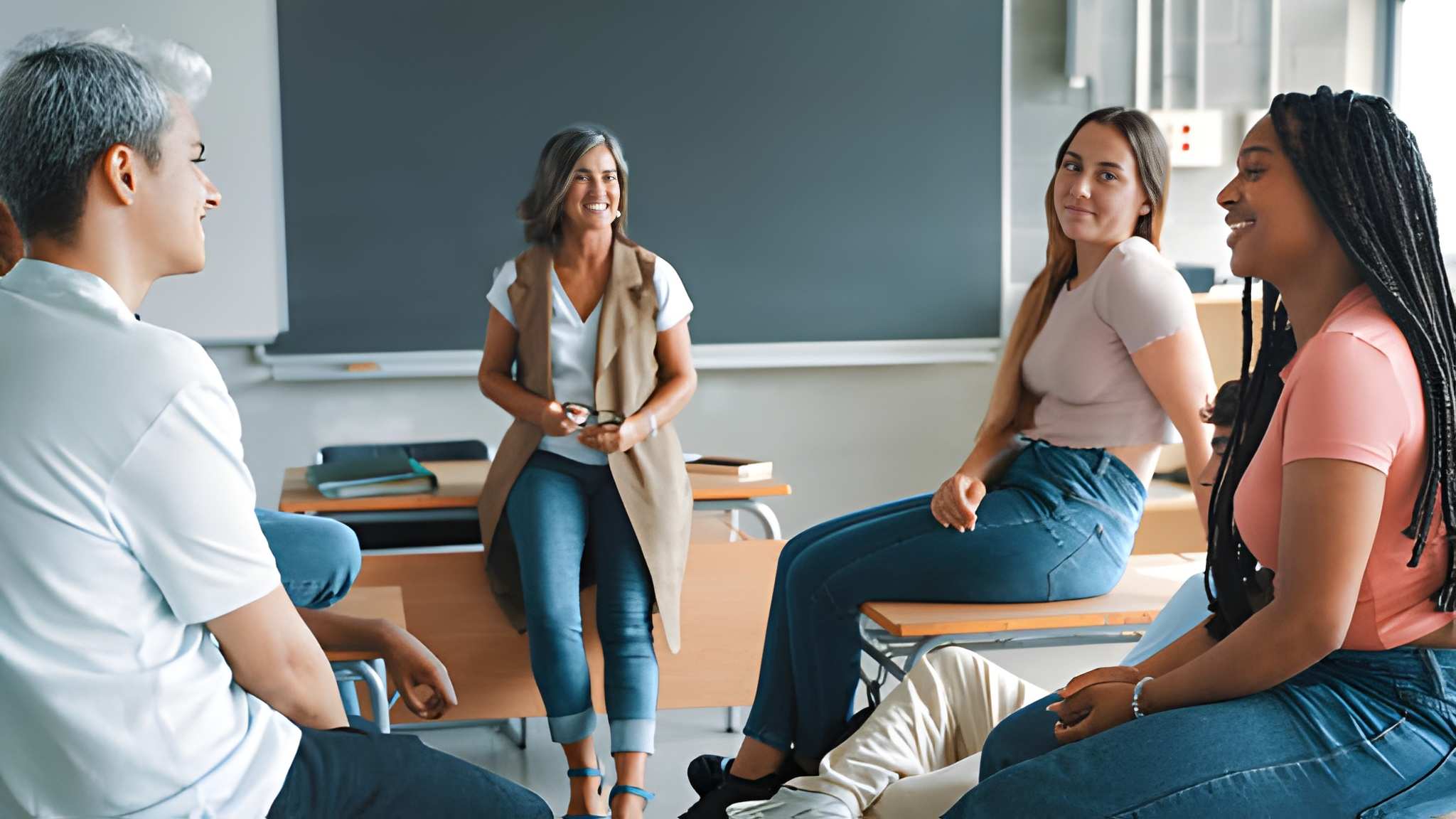
Student-centered learning is essential for empowering lifelong learners. This approach gives students more voice and ownership over their learning experiences.
Chris Bressi advocates for classrooms where students can:
-
Explore topics that interest them
-
Learn at their own pace
-
Collaborate with peers
-
Reflect on their growth
These experiences foster curiosity and intrinsic motivation. When students are engaged in learning they care about, they are more likely to continue learning beyond formal education.
Teaching Skills for a Changing World
In a technology-driven world, content knowledge alone is not enough. Lifelong learners need transferable skills that evolve with changing demands.
Chris Bressi highlights the importance of teaching:
-
Critical thinking and problem-solving
-
Digital literacy and ethical technology use
-
Communication and collaboration
-
Adaptability and resilience
By focusing on these skills, education prepares students for careers and challenges that may not yet exist.
Technology as a Tool for Personalized Growth
Personalized learning is one of the most powerful benefits of educational technology. Digital platforms can adapt to individual needs, providing targeted support and timely feedback.
Chris Bressi explains that personalization builds confidence and independence. Students who understand their strengths and areas for growth are better equipped to take charge of their learning.
However, personalization should always be guided by educators who understand the human side of learning.
Supporting Teachers as Lifelong Learners
Empowering students requires empowering teachers as well. Chris Bressi believes educators must also be lifelong learners to model curiosity and growth.
Professional development should be ongoing, relevant, and collaborative. When teachers feel supported and confident, they are more likely to experiment with new approaches and technologies.
This culture of learning benefits both educators and students.
Creating Inclusive Learning Environments
Lifelong learning must be accessible to all. Chris Bressi emphasizes the importance of equity in technology-driven education.
Inclusive environments ensure that all students have access to tools, resources, and support. Flexible instruction and accessible design help remove barriers and promote engagement.
When students feel included and valued, they are more likely to participate actively in learning.
Encouraging Learning Beyond the Classroom
Technology enables learning to extend beyond traditional classrooms. Online resources, virtual collaboration, and digital communities allow learners to explore interests and develop skills independently.
Chris Bressi encourages schools to help students build responsible digital habits. Teaching students how to evaluate information, manage time, and learn independently prepares them for lifelong growth.
These skills empower learners to take ownership of their education long after formal schooling ends.
Looking Ahead
Empowering lifelong learners in a technology-driven world requires intention and balance. Technology offers incredible opportunities, but its true value lies in how it supports human growth.
Chris Bressi’s perspective reminds educators that learning is a lifelong journey. By focusing on curiosity, adaptability, and meaningful technology use, schools can prepare learners not just for the next test, but for a lifetime of learning and success.

Leave a Reply