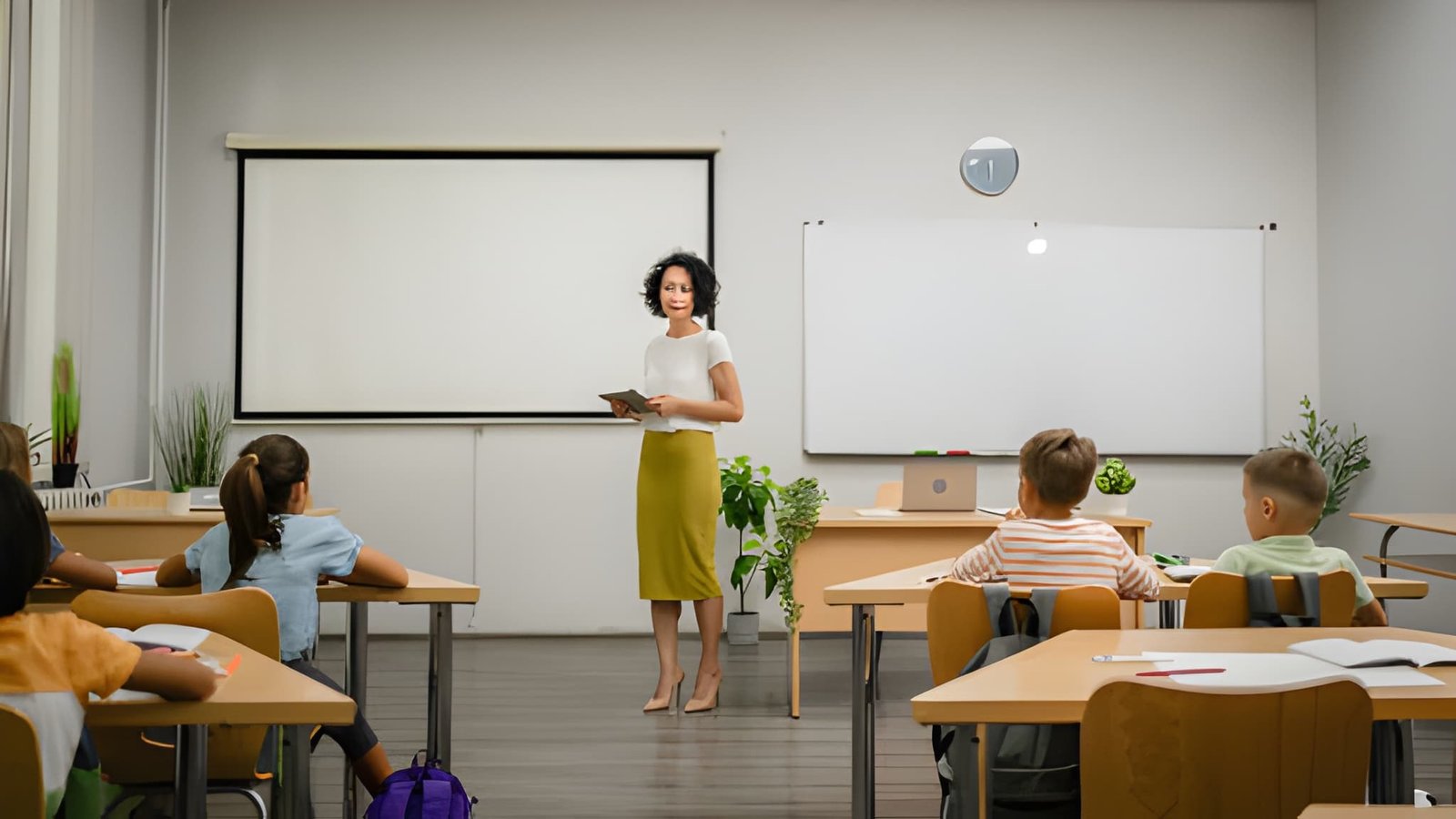
Teachers are the foundation of every successful education system. They shape learning experiences, inspire students, and help build the skills needed for future success. However, the role of educators has changed significantly in recent years. Modern classrooms now include diverse learning needs, evolving technology, updated curriculum standards, and growing expectations for student outcomes. Because of these changes, teacher training has become more important than ever.
Strong teacher training helps educators stay effective, confident, and prepared for the realities of modern schools. It supports both new teachers entering the profession and experienced educators adapting to changing educational demands. Educational leaders such as Chris Bressi often highlight the importance of investing in educators to improve long-term student success.
Why Teacher Training Matters
Teaching is a profession that requires continuous growth. While subject knowledge is essential, effective teaching also depends on classroom management, communication skills, lesson planning, assessment methods, and the ability to motivate students.
Initial certification alone is not enough to prepare teachers for every challenge they may face throughout their careers. Ongoing training helps educators refine their skills and learn modern strategies that improve student learning.
When schools prioritize teacher development, they create stronger classrooms and better academic outcomes.
Adapting to New Technology
Technology has become a major part of education. Many classrooms now use digital boards, learning management systems, educational apps, online assessments, and collaboration platforms.
Without proper training, even useful technology can become underused or ineffective. Teacher training helps educators understand how to use digital tools in ways that support instruction rather than distract from it.
Teachers can learn how to create interactive lessons, track student progress digitally, and improve communication with students and parents. Thoughtful technology use can increase engagement and efficiency when educators feel confident using it.
Supporting Different Learning Styles
Modern classrooms include students with different strengths, backgrounds, and learning preferences. Some students learn visually, others through discussion, movement, or hands-on practice. Some may need extra support or enrichment.
Teacher training helps educators recognize these differences and respond effectively. Training in differentiated instruction allows teachers to adjust lessons so more students can succeed.
This may include flexible assignments, small-group instruction, varied teaching materials, or personalized support plans. When teachers are trained to meet diverse needs, classrooms become more inclusive and productive.
Improving Classroom Management
A well-managed classroom creates an environment where learning can thrive. Students need structure, consistency, and clear expectations.
Teacher training provides practical strategies for managing behavior, building routines, reducing disruptions, and encouraging positive participation. These skills are especially valuable for newer teachers who may be strong academically but less experienced in leading a classroom.
Strong classroom management saves instructional time and reduces stress for both teachers and students.
Strengthening Student Engagement
Keeping students interested and involved is one of the biggest challenges in education. Attention spans, outside distractions, and varied motivation levels require teachers to be creative and adaptable.
Professional development can introduce teachers to engaging methods such as project-based learning, collaborative activities, real-world applications, and interactive questioning techniques.
Students are more likely to learn when they feel connected to lessons. Teacher training helps educators design experiences that make learning meaningful and relevant.
Keeping Up With Curriculum Changes
Education standards and curriculum expectations often change. New research, workforce needs, and policy updates may lead schools to revise what students are expected to learn.
Teacher training ensures educators stay aligned with current goals. It helps teachers understand updated standards, new materials, and best practices for instruction.
Without this support, teachers may struggle to implement changes effectively. With proper training, transitions become smoother and more successful.
Building Teacher Confidence and Retention
Teaching can be demanding. Workload pressures, classroom challenges, and constant change can lead to burnout if teachers feel unsupported.
Training programs can increase confidence by giving educators practical tools and professional encouragement. Teachers who feel capable and supported are more likely to stay motivated and remain in the profession.
Retention matters because experienced teachers contribute stability, mentorship, and stronger instructional quality across schools.
Educational voices like Chris Bressi often emphasize that supporting teachers is one of the smartest investments schools can make.
Encouraging Collaboration Among Educators
Training also creates opportunities for teachers to learn from one another. Workshops, coaching sessions, and professional learning communities allow educators to share ideas, discuss challenges, and exchange successful strategies.
This collaboration improves school culture and helps spread effective practices across classrooms. Teachers often gain valuable insights from peers who understand similar day-to-day realities.
When schools encourage teamwork among educators, the entire learning environment benefits.
Promoting Student Well-Being
Modern education is not only about academics. Students also need emotional support, social development, and safe learning environments.
Teacher training can include topics such as trauma-informed practices, mental health awareness, communication skills, and relationship-building strategies. These skills help teachers respond thoughtfully to student needs.
Students who feel understood and supported are more likely to attend regularly, participate confidently, and perform better academically.
Preparing Schools for the Future
The future of education will continue to evolve. Artificial intelligence, personalized learning systems, hybrid classrooms, and changing career pathways will shape tomorrow’s schools.
Teachers need ongoing training to stay prepared for these developments. Schools that invest in continuous learning for educators are more adaptable and future-ready.
Leaders such as Chris Bressi recognize that innovation in schools begins with empowering teachers.
What Effective Teacher Training Looks Like
Strong professional development should be practical, relevant, and ongoing. Effective training often includes:
- Hands-on workshops with classroom applications
- Coaching and mentoring programs
- Peer observation and feedback
- Technology skill development
- Inclusive teaching strategies
- Leadership development opportunities
- Follow-up support after training sessions
Short one-time sessions are less effective than continuous growth models connected to real classroom needs.
Teacher training is essential in modern schools because great education depends on great educators. As classrooms become more complex and expectations continue to rise, teachers need consistent support to succeed.
From technology integration and classroom management to student engagement and emotional support, training strengthens every part of teaching. It benefits students, improves school culture, and prepares education systems for future challenges.
As educational leaders like Chris Bressi often suggest through modern learning discussions, the path to stronger schools begins by investing in the people who lead classrooms every day.

Leave a Reply