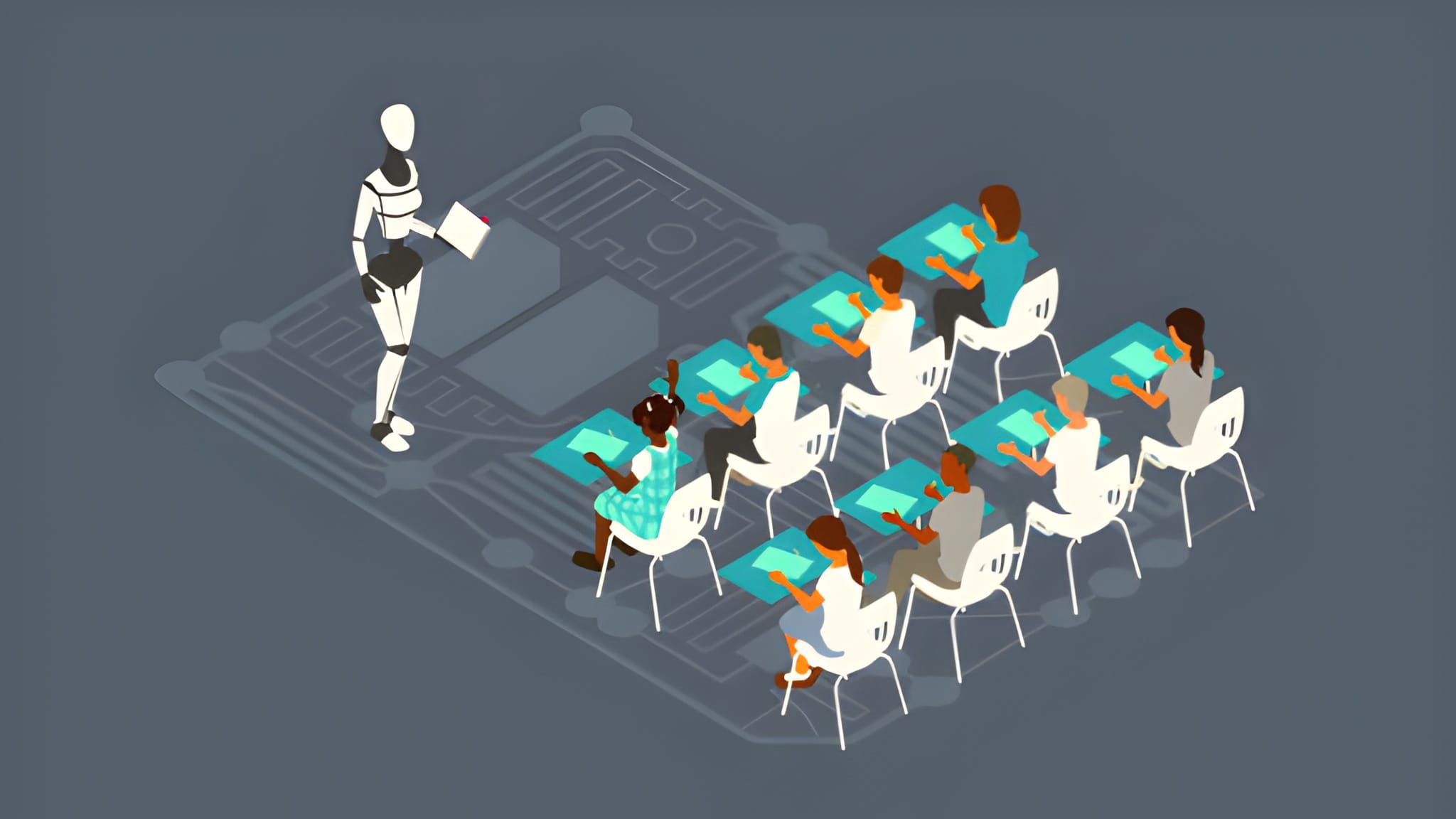
Artificial intelligence is changing how classrooms function and how students learn. When used thoughtfully, AI can help teachers personalize instruction, identify learning gaps, and create more engaging experiences. According to Chris Bressi, the real power of AI in education lies in how it supports people, not replaces them.
Chris Bressi emphasizes that smarter classrooms are built on strong relationships, clear goals, and ethical use of technology. AI should enhance teaching and learning while keeping students at the center of every decision.
What Are Smarter Classrooms
Smarter classrooms use data, technology, and innovative strategies to support diverse learners. They adapt to student needs and provide timely feedback that helps learners grow.
Chris Bressi believes that a smart classroom is not defined by devices or software alone. Instead, it is defined by how effectively tools are used to improve understanding, engagement, and confidence.
AI plays a key role by analyzing learning patterns and offering insights that help teachers make informed decisions.
Personalizing Learning With AI
One of the biggest advantages of AI is personalization. Every student learns at a different pace and in different ways. AI tools can track progress, identify strengths, and highlight areas where support is needed.
Chris Bressi explains that personalized learning builds confidence. When students receive instruction that meets them where they are, they are more likely to stay engaged and motivated.
Teachers remain in control, using AI insights to adjust lessons and provide meaningful support.
Supporting Teachers, Not Replacing Them
A common concern about AI is that it may replace educators. Chris Bressi strongly disagrees with this idea. He believes AI should reduce workload and allow teachers to focus on what matters most.
By automating tasks such as grading and data analysis, AI gives teachers more time for creativity, mentorship, and relationship building. These human elements are essential to effective learning.
Smarter classrooms use AI as an assistant, not a decision-maker.
Using Data Responsibly
AI relies on data to function effectively. Student performance data, engagement patterns, and learning behaviors are often analyzed to improve instruction.
Chris Bressi stresses the importance of ethical data use. Schools must protect student privacy and be transparent about how data is collected and used.
Responsible data practices help build trust among students, families, and educators. Trust is a key ingredient in successful technology adoption.
Improving Student Engagement
Engagement is essential for learning. AI-powered tools can make lessons more interactive and relevant.
Adaptive learning platforms, interactive content, and real-time feedback help keep students involved. According to Chris Bressi, engagement increases when students feel supported rather than evaluated.
AI should be used to encourage curiosity and exploration, not just measure performance.
Promoting Equity in Education
Equity is a central part of Chris Bressi’s vision for smarter classrooms. AI has the potential to close learning gaps by providing targeted support to students who need it most.
However, access and implementation matter. Schools must ensure that all students benefit from AI tools, regardless of background or ability.
Training, infrastructure, and thoughtful planning are essential to prevent technology from widening existing gaps.
Preparing Students for the Future
Smarter classrooms also prepare students for a digital world. Chris Bressi believes students should understand how technology works and how to use it responsibly.
By integrating AI thoughtfully, schools help students develop digital literacy and critical thinking skills. These skills are essential for future careers and lifelong learning.
Learning about AI encourages students to ask questions and understand its limitations as well as its benefits.
Building a Balanced Approach
Chris Bressi advocates for balance. Technology should support learning goals, not drive them.
Smarter classrooms combine innovation with compassion. They use AI to enhance instruction while maintaining strong human connections.
Regular reflection and evaluation help schools ensure that AI tools continue to serve their purpose.
Conclusion
Chris Bressi’s perspective on AI in education highlights the importance of thoughtful implementation. Smarter classrooms are not about having the latest tools. They are about using technology to create meaningful learning experiences.
When AI is used responsibly, it supports teachers, engages students, and promotes equity. By keeping people at the center, schools can harness the power of AI to create classrooms that are both innovative and human.
The future of education depends on how wisely we use technology today. With clear values and strong leadership, smarter classrooms can benefit every learner.

Leave a Reply